
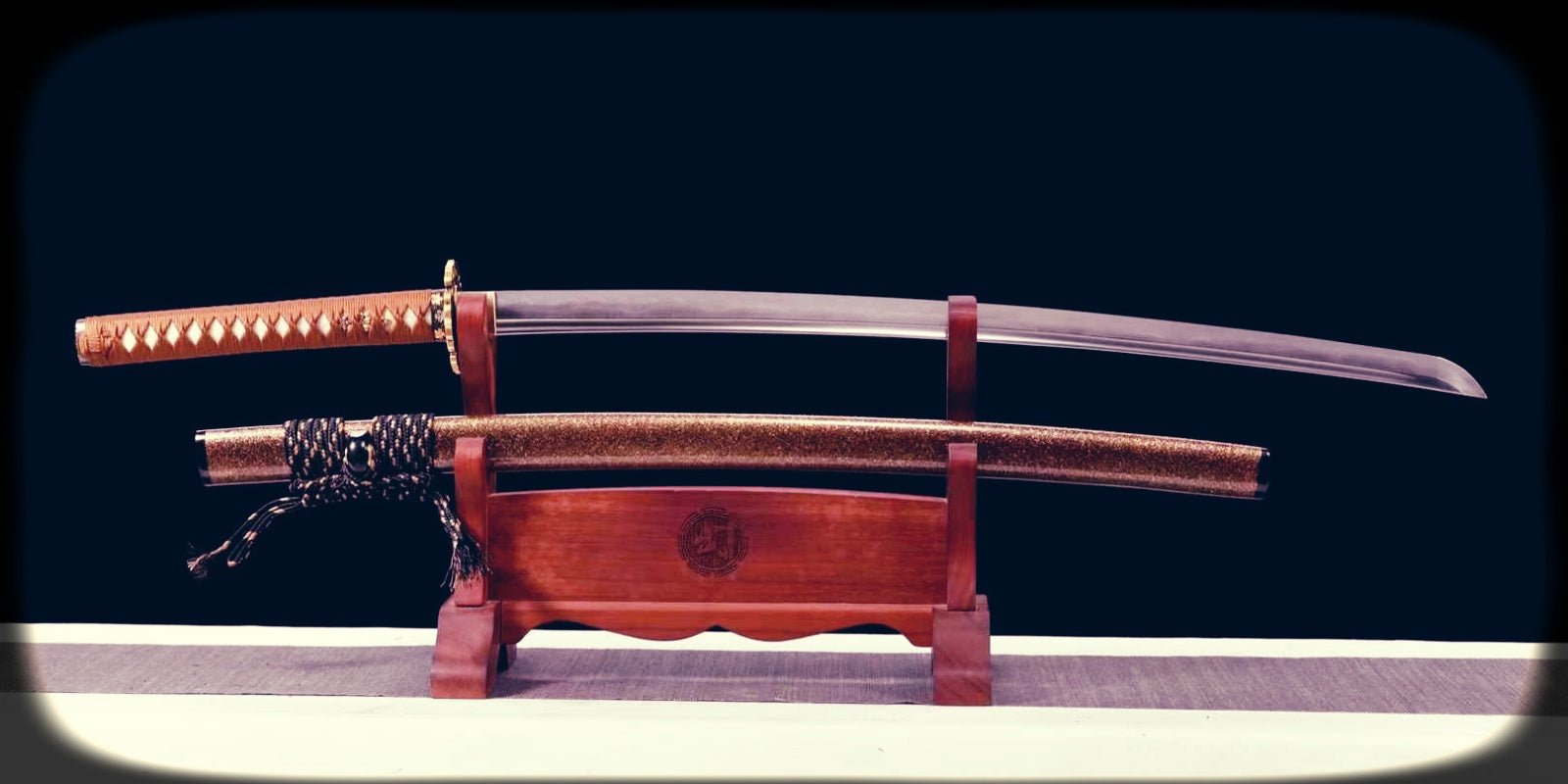
Have you also wondered, where did the truly battle-used swords go?
Visit a museum, browse a collector’s site, or watch a close-up review of an antique blade, and you’ll notice something surprising: many surviving swords look clean. Lines are crisp, surfaces are calm, and obvious damage is often minimal. That can quietly shape a modern assumption—maybe most swords survived because they were built to last forever.
But historically, a sword was first and foremost a hard-working tool. In serious use it was exposed to impact, fatigue, corrosion, misplacement, and the slow grind of time. And when a blade was badly damaged, people rarely treated it like a display piece. They treated it like steel: something to maintain, reshape, repurpose, or replace.
So why do we see relatively few swords today that clearly look “battle-worn”? The answer isn’t a single dramatic event. It’s a collection of practical forces that, over centuries, naturally filter out heavily used blades. This article looks at five of the biggest: physical wear, long-term loss through everyday hazards, limits of repair and the reality of reuse, modern collector selection, and the myths created by popular media.
1) Combat Turns a Sword Into a Consumable
A well-made blade can be durable, but it’s not immortal. Real combat places stress on the two areas that matter most: the edge and the structure.
Edge damage is normal—because the edge is thin on purpose
A sword cuts well because its edge is refined. That refinement comes with tradeoffs. Under hard use, edges can suffer:
-
Chipping (small bites missing from the edge)
-
Rolling (the edge bending slightly, usually on softer heat treatments)
-
Notching (larger, visible dents)
-
Cracking (the most serious issue, sometimes hard to see until it grows)
A single bad impact at an ugly angle can start damage that never truly “goes away.” Multiply that across repeated use, and wear becomes expected, not exceptional.
“Battle marks” existed—but maintenance erased many of them
Some blades historically carried small scars. But here’s the catch: swords that stayed in service were maintained. Over time, sharpening and polishing can:
-
smooth out shallow chips
-
reduce high spots
-
restore the edge line
-
gradually thin the blade
That means a blade could have lived a hard life and still look relatively “clean” centuries later—because the visible evidence was literally ground away during upkeep.
Breakage and loss were part of normal wear-and-tear
Not every sword failed spectacularly. But severe damage—deep cracks near the edge, broken tips, serious bends—could end a blade’s practical life quickly. In those cases, the sword often stopped being that sword in the way modern readers imagine. It became material to be reworked, or it simply vanished into the noise of history.
Takeaway: In real use, swords are not just “used.” They are consumed.
2) Time Destroys More Swords Than Any Single Fight
Even if a blade survived its working years, it still had to survive the next challenge: centuries of ordinary reality.
Steel is stable only when humans protect it. Without consistent care, the environment wins—quietly, steadily, and without drama.
Rust is slow, but it never sleeps
High-carbon steel is vulnerable to humidity and fingerprints. If a sword isn’t regularly:
-
cleaned
-
lightly oiled
-
stored in stable conditions
…corrosion begins. At first it’s cosmetic. Over the years it becomes structural: pitting, weakened surfaces, and edges that can’t be trusted.
Fires, floods, and accidents erase collections fast
Over long timelines, losses aren’t always famous historical moments. They’re often simple:
-
a storehouse fire
-
a flooded storage room
-
smoke and heat damage
-
years of damp conditions
-
careless handling during moves
One careless decade can undo centuries of survival.
People change, families change, priorities change
A sword’s survival depends on continuity: someone must care enough to preserve it and know how to do so. But across generations, objects get separated from their stories. If a sword becomes “just an old blade,” it can be misplaced, sold, neglected, or discarded.
Takeaway: The longer the timeline, the more survival depends on consistent maintenance—and consistency is rare.
3) Repair Has Limits—and Those Limits Decide What Survives
Modern audiences often imagine restoration as a reset button. In reality, sword repair has hard boundaries.
Small damage can be corrected; structural damage often cannot
A shallow nick might be polished out. But some damage types are fundamentally different:
-
deep cracks near the edge
-
broken tips
-
serious warps
-
sections thinned too far by repeated polishing
At a certain point, “repair” becomes “transformation,” and the original sword’s identity is difficult to preserve.
Restoration is also an economic decision
Even when repair is technically possible, it may not be practical. Skilled work takes time. And heavy restoration can reduce the blade’s remaining life by removing more steel.
Historically, people often chose the most sensible outcome: restore if minor, repurpose if severe, replace if necessary.
Takeaway: The swords that survive intact are often the ones that never crossed the line into “too damaged to justify.”
4) Reforging and Repurposing: How Steel Often Outlived the Sword
One major reason battle-used swords are scarce is simple: many damaged blades didn’t remain swords.
Shortening and reshaping were practical solutions
If a blade suffered serious damage near the tip or along the edge, one solution was to remove the damaged area and reshape what remained. Over time, a long blade could become a shorter one. The steel lived on, but the original form changed.
Steel was valuable—so waste was uncommon
When the cost of producing good steel is high, recycling becomes common sense. A damaged blade might become:
-
a shorter blade
-
a utility knife
-
a workshop tool
-
steel stock for new forging
From a modern collector’s view, this can feel like “loss.” Historically, it was simply practical reuse.
Repurposing erases “battle history”
Once a blade is reshaped or reforged, it no longer carries the same surface, geometry, and scars. The old sword doesn’t survive in its original identity—its material does.
Takeaway: Many battle-used swords didn’t disappear; they changed forms.
5) The Collector Filter: Why We Mostly See Beautiful Survivors
Here’s an uncomfortable truth: what survives visibly is often what was preserved intentionally. And intentional preservation tends to reward condition.
Display favors clean, stable, impressive pieces
Museums and collectors usually prefer blades that are:
-
structurally stable
-
visually clear (clean polish, crisp lines)
-
free from major flaws
-
easy to present and document
A heavily scarred, chipped blade may be historically interesting—but it’s harder to sell, harder to display, and often considered “lower condition.”
Condition becomes a survival advantage
Over time, the market creates a selection effect:
-
pristine blades are bought, cared for, polished, recorded
-
worn blades are traded down, neglected, repurposed, or lost
This does not mean pristine swords are “more authentic.” It means they were better suited to long-term preservation.
“Perfect” doesn’t always mean “most used”
A sword that saw heavy service was more likely to be:
-
repeatedly polished thinner
-
damaged beyond repair
-
reshaped into another form
-
lost to rust or disaster
Meanwhile, a sword that lived a quieter life had better odds of reaching the present intact.
Takeaway: What we commonly see today reflects survival conditions, not a complete sample of historical use.
6) Media Myths and the “Indestructible Sword” Problem
Modern fiction loves the idea of a blade that never fails: always sharp, never chipped, never bent, and capable of cutting through unrealistic materials. It’s cinematic—and it’s misleading.
Real blades are engineered within material limits:
-
edges can chip
-
tips can snap
-
surfaces can rust
-
maintenance changes geometry over time
The “never-damaged sword” is a storytelling shortcut. History is messier. The best blades are not magical; they’re simply well-made and properly cared for.
Takeaway: The stronger the myth, the more confusing real survival patterns feel—until you remember that steel is not immune to time.
Small, Realistic Moments That Explain the Disappearance
You don’t need dramatic legends to understand why battle-used swords are rare. Ordinary outcomes are enough:
-
One ugly impact leaves a chip; later polishing removes steel to restore the edge.
-
A sword sits in a damp room for years; corrosion pits the surface beyond recovery.
-
A broken tip leads to reshaping and shortening; the blade “survives,” but not in its original form.
-
A worn blade loses market appeal; it isn’t selected for preservation and gradually disappears.
None of these scenarios require extraordinary events. They’re just the natural consequences of use and time.
Conclusion: Weapon, Tool, and Art—Three Roles, Three Survival Paths
So where did the truly battle-used swords go?
Many were consumed by use—chipped, cracked, bent, broken, or lost. Many were erased by time—rust, accidents, and environmental damage. Many were transformed—shortened, repurposed, reforged—so the steel lived on but the original sword identity did not. And the swords we most often see today have usually passed through a modern filter that rewards clean condition and display readiness.
A sword carries more than one identity:
-
As a weapon, it wears down.
-
As a tool, it gets reshaped or reused.
-
As an art object, it gets protected and preserved.
That’s the honest key to survival. The blades that remain are not proof that swords were indestructible. They’re proof that a few were maintained continuously, or lived gentler lives, or were repeatedly restored by people who valued them beyond their practical function.
If we keep that in mind, we can appreciate surviving swords more realistically—not as fantasy objects, but as rare survivors in a world where steel, time, and human choices constantly decide what remains.