
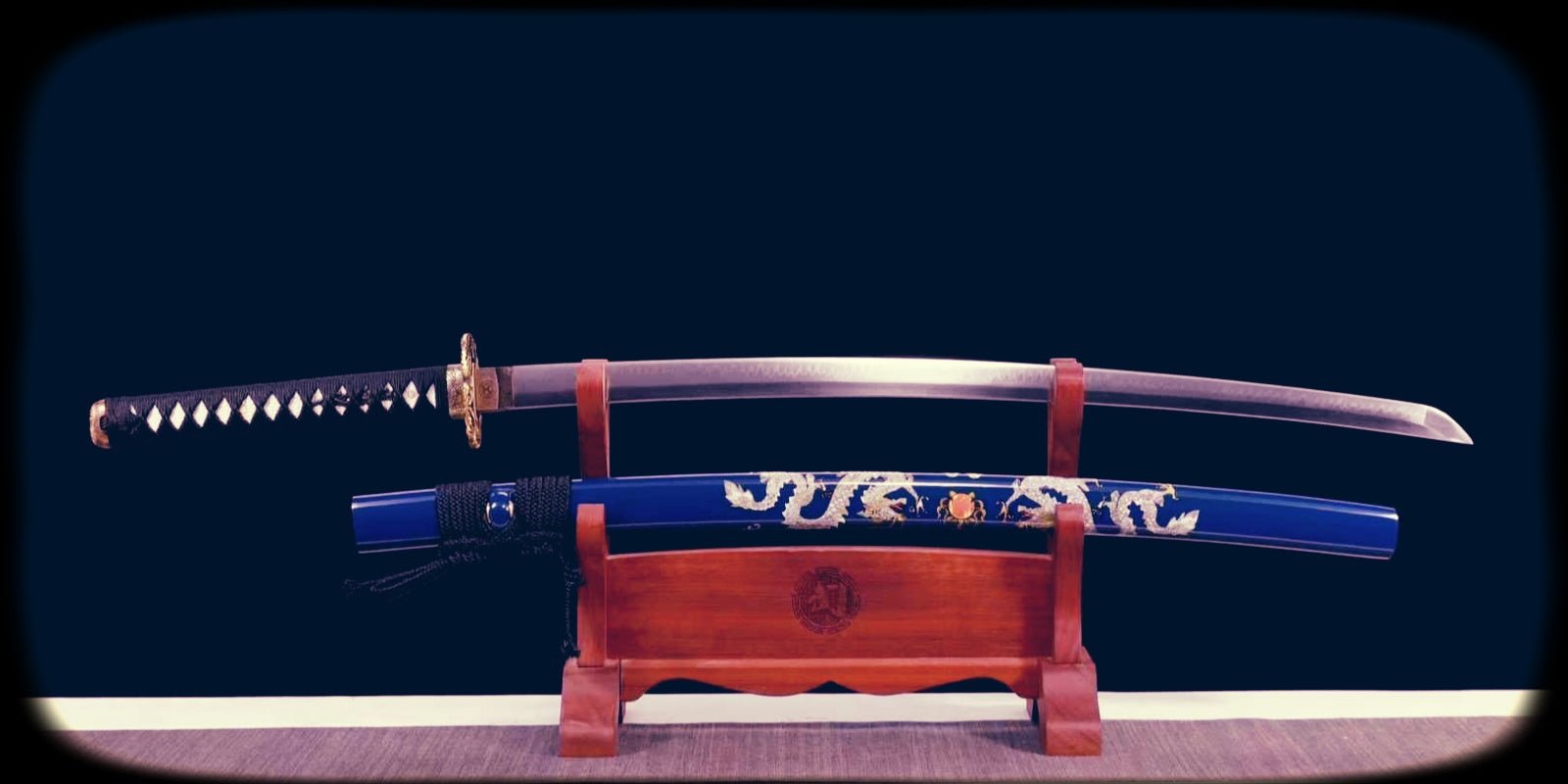
Choosing the Right Steel for a Katana: Balancing Tradition and Modern Performance
When it comes to crafting or collecting a katana, the choice of steel is arguably the most important factor. Steel determines how sharp the blade can become, how long it stays sharp, how tough it is under stress, and even how beautiful it looks once polished. From the legendary tamahagane of the past to the reliable high-carbon and alloy steels used today, understanding these options is key to making the right decision—whether you’re a serious collector, a martial arts practitioner, or someone who simply appreciates the artistry of fine blades.
Tamahagane: The Traditional Standard
Tamahagane, often translated as “jewel steel,” was historically made by smelting iron sand and charcoal in a clay furnace called a tatara. The result was a bloom of steel with sections of varying carbon content. Swordsmiths would fold and weld these layers repeatedly, refining the steel while creating the balance of hardness and toughness that gave katanas their legendary performance.
This process produces two distinctive features collectors admire today:
-
Hamon: the visible temper line formed by differential hardening, where the cutting edge is hardened while the spine remains softer and more flexible.
-
Hada: the grain pattern left from folding and welding layers of steel.
Both give each blade a unique appearance that cannot be exactly duplicated.
Strengths: Blades made from tamahagane have remarkable character, both in performance and aesthetics. They’re highly collectible and often valued as works of art.
Weaknesses: Producing tamahagane is labor-intensive, costly, and yields limited quantities. The steel can also contain impurities, requiring extraordinary skill from the smith to control.
For this reason, tamahagane is best suited for collectors who value authenticity, artistry, and tradition above all else.
Modern High-Carbon Steels
Today, most functional katanas are made from standardized high carbon steels. These are easier to source, consistent in quality, and much more affordable. The most common types include:
-
1045 Steel: Low carbon, relatively soft, and often used for decorative swords. Affordable but not recommended for heavy cutting.
-
1060 Steel: A balanced option, offering decent hardness and toughness. A popular choice for practitioners who want durability without breaking the bank.
-
1095 Steel: High carbon content, capable of achieving excellent hardness and edge retention with proper heat treatment. However, it is prone to rust and must be carefully maintained.
-
T10 Steel: A tool steel with added tungsten, giving it exceptional wear resistance and sharpness. Highly regarded among modern smiths for performance blades.
These steels deliver reliable results and can be heat-treated to match specific requirements. Unlike tamahagane, they don’t require folding to remove impurities, since their composition is already controlled during production.
Spring Steels and Alloy Steels
For blades designed to endure heavy use, spring steels such as 5160 and 9260 are excellent options. Their added silicon and manganese improve flexibility and shock resistance, making them ideal for cutting practice and impact-heavy training.
Another category is alloy steels, which include tool steels and stainless steels. Tool steels like D2 provide high wear resistance and hold an edge for a long time, though they can be harder to sharpen. Stainless steels, with high chromium content, resist corrosion and are easy to maintain, but if over-hardened they can become brittle—making them better suited for display or lighter use.
Finally, there’s Damascus steel in its modern form: layered steel forged to create striking wave-like patterns. While often made by combining carbon steel and stainless steel, Damascus katanas are admired as much for their decorative beauty as for their functionality.
Practical Applications vs. Collectability
Not all katanas serve the same purpose, so steel choice should align with the intended use:
| Purpose | Recommended Steel | Why It Works |
|---|---|---|
| Daily Training | 1060, 1095, Spring Steels | Strong balance of toughness and durability |
| Display Pieces | Tamahagane, Stainless, Damascus | High aesthetic value and low maintenance |
| Collector’s Items | Tamahagane, Damascus | Unique appearance and long-term value |
For practitioners, modern steels provide affordable and reliable performance. For collectors, tamahagane retains unmatched prestige, while Damascus offers modern artistry with a nod to tradition.
Buying Recommendations for Collectors
When choosing a katana, consider the following:
-
Purpose First: If you need a sword for cutting practice, prioritize toughness and edge retention (spring steel, T10, or 1095). Please take a look at our “Performance Katana” collection and choose the cutting-practice katana that you prefer. If it’s primarily for display, focus on steels with visual appeal and lower maintenance needs.
-
Ease of Maintenance: High-carbon steels demand regular oiling to prevent rust. Stainless and certain alloy steels are easier to care for.
-
Budget: Tamahagane swords are rare and expensive, reflecting their artisanal production. Modern steels offer excellent performance at much lower cost.
-
Aesthetic Value: If you admire visible patterns, seek out tamahagane blades with hamon and hada, or modern Damascus with bold, artistic designs.
Conclusion
The steel used in a katana is more than just a technical detail—it defines the sword’s identity. Tamahagane carries the prestige of tradition and artistry, while modern high-carbon steels deliver consistency and practical performance. Spring steels and alloy steels expand options further, giving collectors and practitioners alike the freedom to choose a blade that matches their goals.
Ultimately, the “best” steel depends on what matters most to you: authenticity, usability, or visual impact. With the right knowledge, you can select a katana that not only meets your needs but also remains a treasured part of your collection for years to come.