
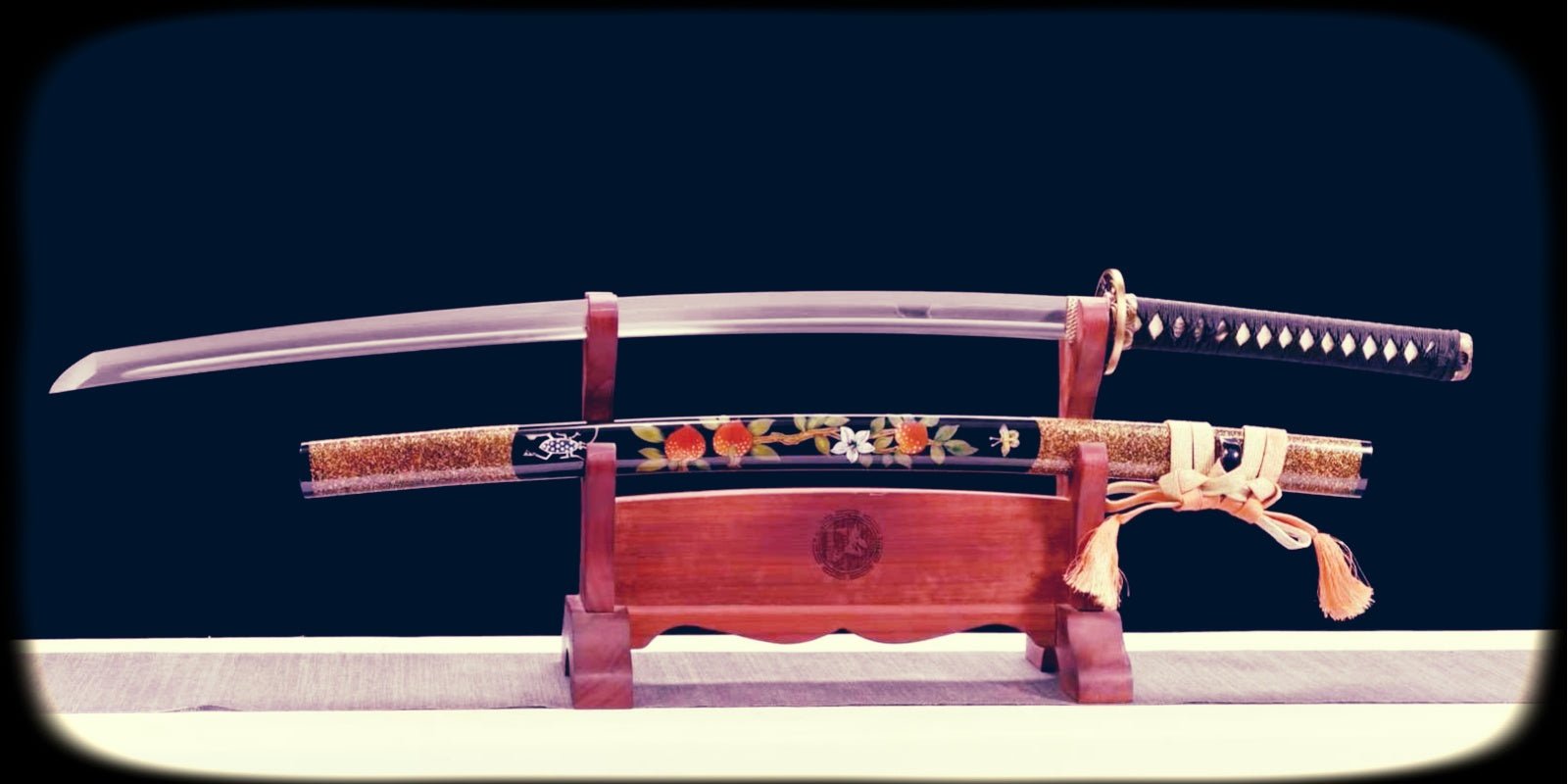
Choosing the Right Wiping Paper for Katana Maintenance: A Guide for Collectors
Proper blade care involves more than just oiling your katana—it starts with choosing the right wiping material. For collectors, this small detail can make the difference between a blade that remains pristine and one marred by micro-scratches, streaks, or lint. The three most common options are traditional rice paper, cotton paper or cloth, and modern lint-free wipes. Each has distinct qualities, and understanding them will help you choose the best fit for your collection.
Rice Paper (Nuguigami)
Rice paper, often included in traditional sword maintenance kits, is made from long natural fibers such as mulberry bark. This gives it durability and a unique texture that has been trusted for generations.
-
Structure: Long fibers make it strong, flexible, and resistant to tearing.
-
Gentleness: Its soft surface makes it safe for highly polished blades.
-
Absorbency: Excellent at lifting old oil, dust, and uchiko powder.
-
Lint-free: Leaves no fibers or residue behind.
Advantages: Perfect for mirror-polished blades, highly absorbent, and extremely clean.
Drawbacks: Expensive, hard to source outside specialty shops, and typically sold in small quantities.
Best use: Rice paper is best reserved for high-value or mirror-polished swords. It’s ideal for deep cleaning or preparing a piece for long-term display, but not practical for daily maintenance due to its cost.
Cotton Paper and Cloth
Cotton-based materials—such as pure cotton cloth or cotton-rich paper—are widely used as alternatives to rice paper. They’re inexpensive, accessible, and effective.
-
Structure: Cotton fibers are shorter than mulberry fibers but still soft and pliable.
-
Softness: High-quality cotton cloth conforms well to the blade’s surface.
-
Absorbency: Naturally absorbs oil, making it great for both cleaning and applying fresh layers.
-
Lint risk: Good cloth is almost lint-free, but cheap tissues or scented paper towels often shed fibers and should be avoided.
Advantages: Affordable, reusable, widely available, and effective for oil application.
Drawbacks: Cloth must be kept clean; reused pieces can trap dust or grit and scratch the blade. Some papers leave fibers or contain additives.
Best use: Cotton cloth is excellent for routine maintenance. Collectors often keep one cloth for cleaning and another for oiling. For mirror-polished blades, it can work too—just ensure the cloth is absolutely clean and lint-free.
Lint-Free Wipes
Lint-free wipes, originally designed for optics and electronics, have become a favorite among modern collectors. Made from blends of wood pulp and polyester fibers, they combine the strength of fabric with the absorbency of paper.
-
Structure: Non-woven sheets with evenly bonded fibers, giving them cloth-like strength.
-
Gentleness: Safe for delicate surfaces and polished finishes.
-
Absorbency: Excellent at absorbing oils and solvents.
-
Lint-free: True to their name, they leave virtually no fibers behind.
Advantages: Affordable, disposable, highly absorbent, and ideal for mirror finishes. Available in bulk, so one pack can last for years.
Drawbacks: Disposable nature may feel wasteful, though each sheet can be cut or folded for multiple uses.
Best use: Lint-free wipes are a practical, all-around solution for both everyday cleaning and protecting mirror-polished blades. They deliver the same results as rice paper but at a fraction of the cost.
Practical Recommendations
The best choice depends on your situation:
-
For high-polish or antique blades: Use rice paper or lint-free wipes. Both protect against scratches and residue, with rice paper offering tradition and lint-free wipes providing convenience.
-
For everyday maintenance: Cotton cloth is cost-effective, reusable, and excellent for fingerprints and oiling. Lint-free wipes are equally good if you prefer single-use materials.
-
On a budget: Lint-free wipes strike the best balance of price, availability, and performance.
-
Special occasions: Save rice paper for display preparation or important maintenance sessions.
Mistakes to Avoid
-
Using household tissues: They shed fibers and often contain fragrances or softeners that leave residue.
-
Reusing dirty cloths: Dust and grit can scratch the blade.
-
Wiping back and forth: Always wipe from base to tip in one direction to avoid micro-scratches.
-
Overusing worn materials: Replace cloths or wipes as soon as they start to fray.
Conclusion
Choosing the right wiping material may seem minor, but for collectors, it plays a major role in preserving the value and beauty of a katana. Rice paper offers tradition and safety, cotton cloth delivers affordability and everyday practicality, and lint-free wipes provide a modern, effective solution for nearly any scenario.
The smartest approach is flexible: use cotton cloth for routine care, lint-free wipes for precision and cleanliness, and rice paper when preparing a treasured piece for long-term storage or display. With the right materials in hand, your katana will remain a brilliant highlight of your collection for decades to come.