
Traditional vs. Modern Katana Craft: Materials, Performance, and Aesthetics
The katana has long been admired not just for its iconic silhouette, but for the craftsmanship hidden within the steel. Traditionally forged from tamahagane and hardened using clay-tempering techniques, these swords combined sharpness with resilience. Today, many smiths use steels like 1095, T10, or L6 alloy, supported by modern heat treatment methods. This article compares traditional and modern approaches in terms of materials, performance, and aesthetic value—without straying into cultural or political themes.
Materials: From Iron Sand to Alloy Steel
-
Tamahagane (Traditional Steel):
Tamahagane is smelted from iron sand in a tatara furnace, producing steel with uneven carbon distribution (about 0.5–1.5 %) and natural impurities. Swordsmiths fold and forge it repeatedly to refine the metal, separating high-carbon steel for the cutting edge and lower-carbon steel for the spine. The process is time-consuming and yields only limited amounts of usable steel, but the result is highly valued for its authenticity and artistry. -
Modern High-Carbon Steels (1095, T10):
Modern steels are consistent, low in impurities, and predictable in performance. 1095 is a simple high-carbon steel, while T10 includes a touch of tungsten, which enhances toughness and edge retention. These steels don’t need folding to purify them, making them more efficient to work with while offering reliable performance. -
Modern Alloy and Spring Steels (L6, 5160):
Alloy steels like L6, which contains nickel, are renowned for their toughness and ability to bend and return to shape without breaking. Spring steels such as 5160 are also popular for their durability. While they may lack the romantic appeal of tamahagane, they often outperform it in sheer practicality.
Performance: Sharpness Meets Resilience
-
Hardness and Structure:
Traditional swords rely on differential hardening—thin clay on the edge and thick clay on the spine—to create a hard martensitic edge (HRC 58–62) and a softer pearlitic spine (HRC ~40). This balance gives the katana its famed sharpness and flexibility. Modern blades can replicate this with clay tempering or opt for through-hardening, producing an even hardness across the blade (around HRC 50), which improves resilience but sacrifices some edge hardness. -
Toughness and Durability:
While tamahagane blades excel in cutting power, they can chip or crack under extreme stress. Modern steels, particularly L6, are prized for their ability to withstand punishment—bending significantly without breaking and recovering their shape. In stress tests, these modern alloys often outperform traditional steel in durability. -
Edge Retention:
Tamahagane offers superb sharpness initially but can dull more quickly because it lacks carbide-forming elements. Steels like T10, enriched with tungsten, provide greater wear resistance and hold an edge longer with less frequent sharpening. Alloy steels may not achieve the same initial sharpness, but their toughness ensures they remain serviceable longer under hard use.
Craft and Aesthetics
-
The Maker’s Hand:
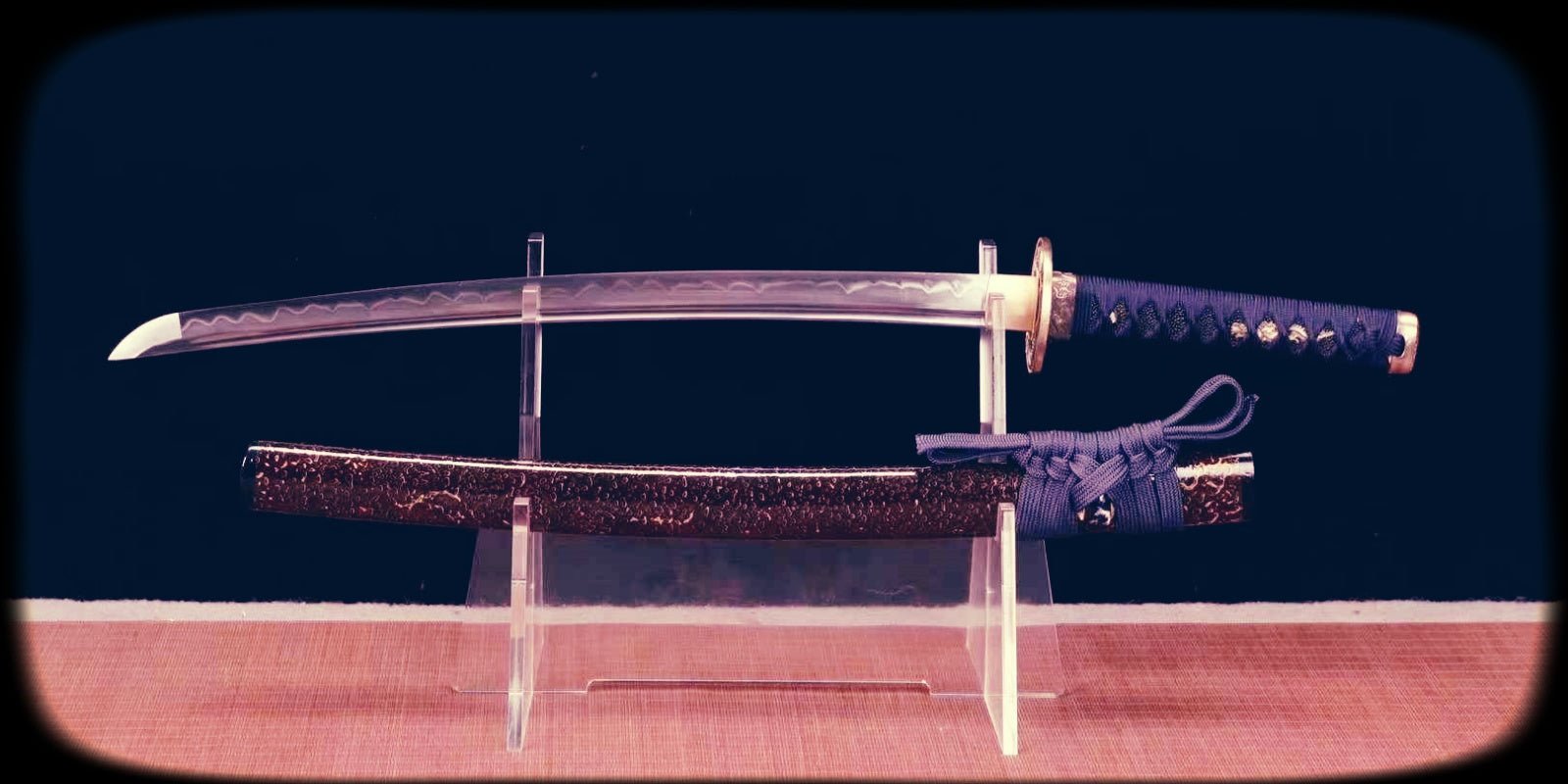
Traditional tamahagane blades are folded, differentially hardened, and polished by hand. This process produces the distinctive hamon, the temper line that reveals the transition between hard and soft steel. Each hamon is unique, reflecting the smith’s technique and artistry. -
Consistency vs. Character:
Modern production emphasizes consistency. While high-carbon and alloy steels deliver reliable performance, they can lack the individuality of a traditionally forged blade. Many mass-produced blades simulate hamon through acid etching, which mimics the look but not the structural reality of a true clay-tempered line. -
Beauty in Steel:
Authentic hamon patterns are valued not only for their functionality but for their visual appeal. They shimmer under light and reveal subtle variations impossible to replicate artificially. For collectors, the hamon remains one of the most admired aspects of a well-crafted blade.
Conclusion
The choice between traditional tamahagane and modern steels isn’t about which is better—it’s about priorities. For those who value heritage, craftsmanship, and artistry, tamahagane offers an unmatched connection to tradition. For those seeking durability, consistency, and performance, modern steels like T10 or L6 deliver exceptional results.
In the end, both approaches represent different strengths of sword-making: one rooted in history and artistry, the other in science and engineering. Together, they highlight how the katana continues to bridge past and present, beauty and function.