
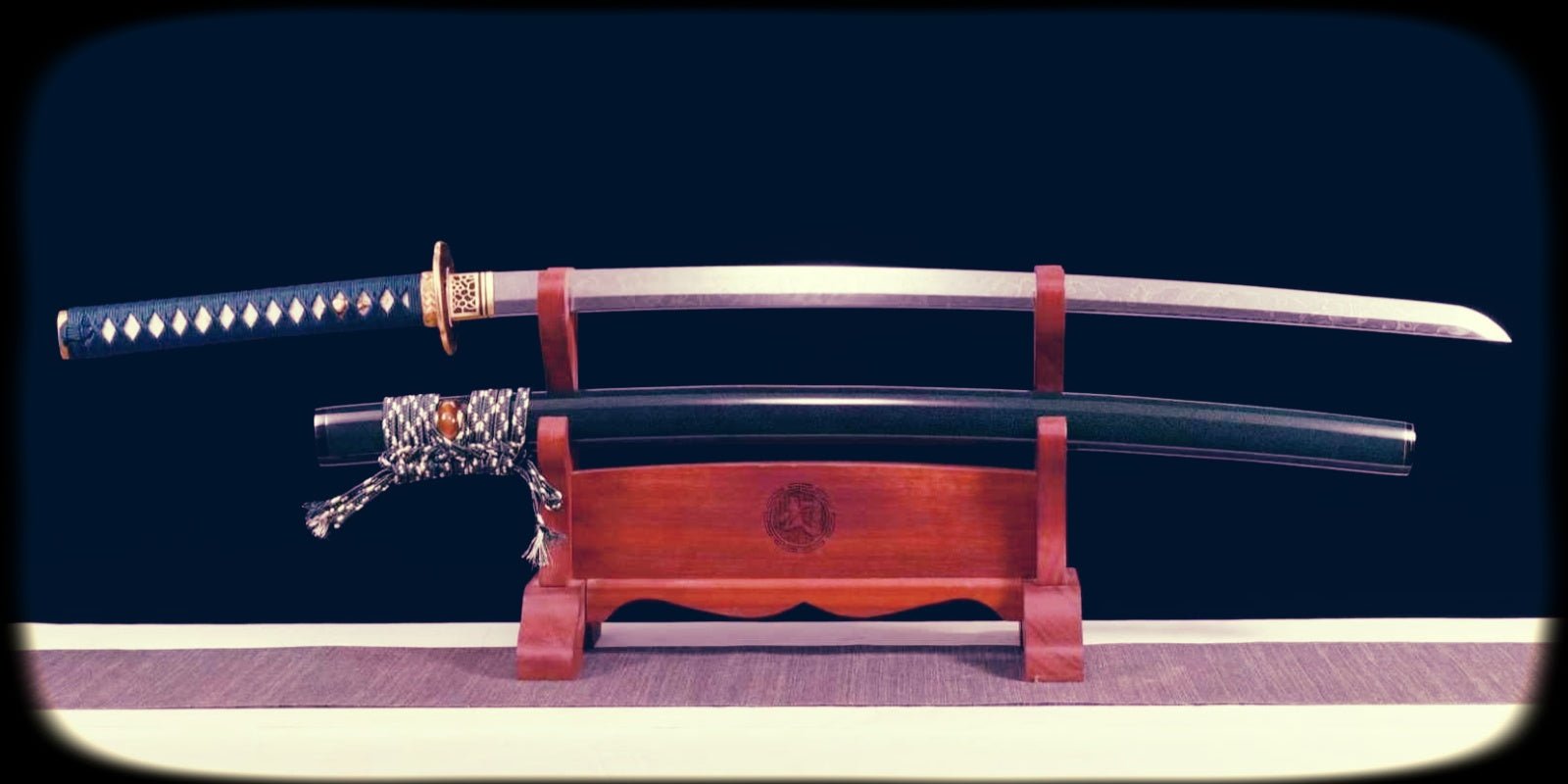
Kojiri: The Underrated Endcap of the Katana Saya
When people admire a katana, their attention usually goes to the blade’s elegant curve, the hamon line, or the intricate tsuka wrapping. But tucked away at the very bottom of the saya (scabbard) lies a small yet essential component—the Kojiri. Often overlooked, this humble endcap plays a critical role in both protecting and completing the katana’s aesthetic.
What Is a Kojiri?
The Kojiri is the protective fitting at the very tip of the saya. While it doesn't directly affect the sword's cutting ability, it plays a vital role in preserving the scabbard’s durability and visual appeal. Traditionally crafted from water buffalo horn or metal, the Kojiri is the saya’s first line of defense against damage from impacts and daily wear.
Why the Kojiri Matters
-
Protects the Scabbard
The Kojiri shields the bottom of the saya from cracking or chipping—especially during martial arts training or when the sword is placed on hard surfaces. -
Enhances Structural Integrity
A snugly fitted Kojiri reinforces the saya’s shape and prevents deformation or splitting over time. -
Improves Balance and Handling
A slightly weighted Kojiri can help stabilize the saya, making the draw and return of the blade smoother and more controlled. -
Blocks Dust and Debris
In outdoor or dusty environments, the Kojiri helps seal the saya, preventing particles from entering and scratching the blade.
Materials and Design Styles
-
Water Buffalo Horn
Natural, resilient, and slightly flexible, horn Kojiri are often used on handmade or traditionally styled katanas for their organic feel. -
Metals (Brass, Iron, Copper)
Durable and versatile, metal Kojiri offer a wide range of finishes—from polished to patinated—and are perfect for functional swords. -
Decorative Alloys or Plated Designs
Ideal for collectors, these Kojiri may feature engravings or patterns that match other sword fittings, adding a refined finishing touch.
Common shapes include rounded caps, saddle styles (kuwagata), and bag shapes (fukurogata), chosen based on the curvature and contour of the saya.
Design Harmony
In a well-balanced katana, every component works together visually. For example, a red lacquered saya paired with a polished brass Kojiri might also feature a matching tsuba and kashira. Though small, the Kojiri anchors the design and helps complete the sword’s overall appearance.
Tips for Choosing and Maintaining a Kojiri
-
For training or practical use, go for sturdy materials like horn or iron.
-
For display purposes, consider Kojiri that visually match your fittings in both color and theme.
-
Regularly inspect for cracks, gaps, or looseness, especially if the saya is stored vertically or handled often.
Conclusion: A Small Detail with Big Purpose
Though it rests quietly at the bottom of the scabbard, the Kojiri is far from insignificant. It protects, supports, and enhances both the function and beauty of a katana. Whether you’re a martial artist, a collector, or simply a fan of swordcraft, understanding the Kojiri means appreciating one more layer of detail in the katana’s refined design.