
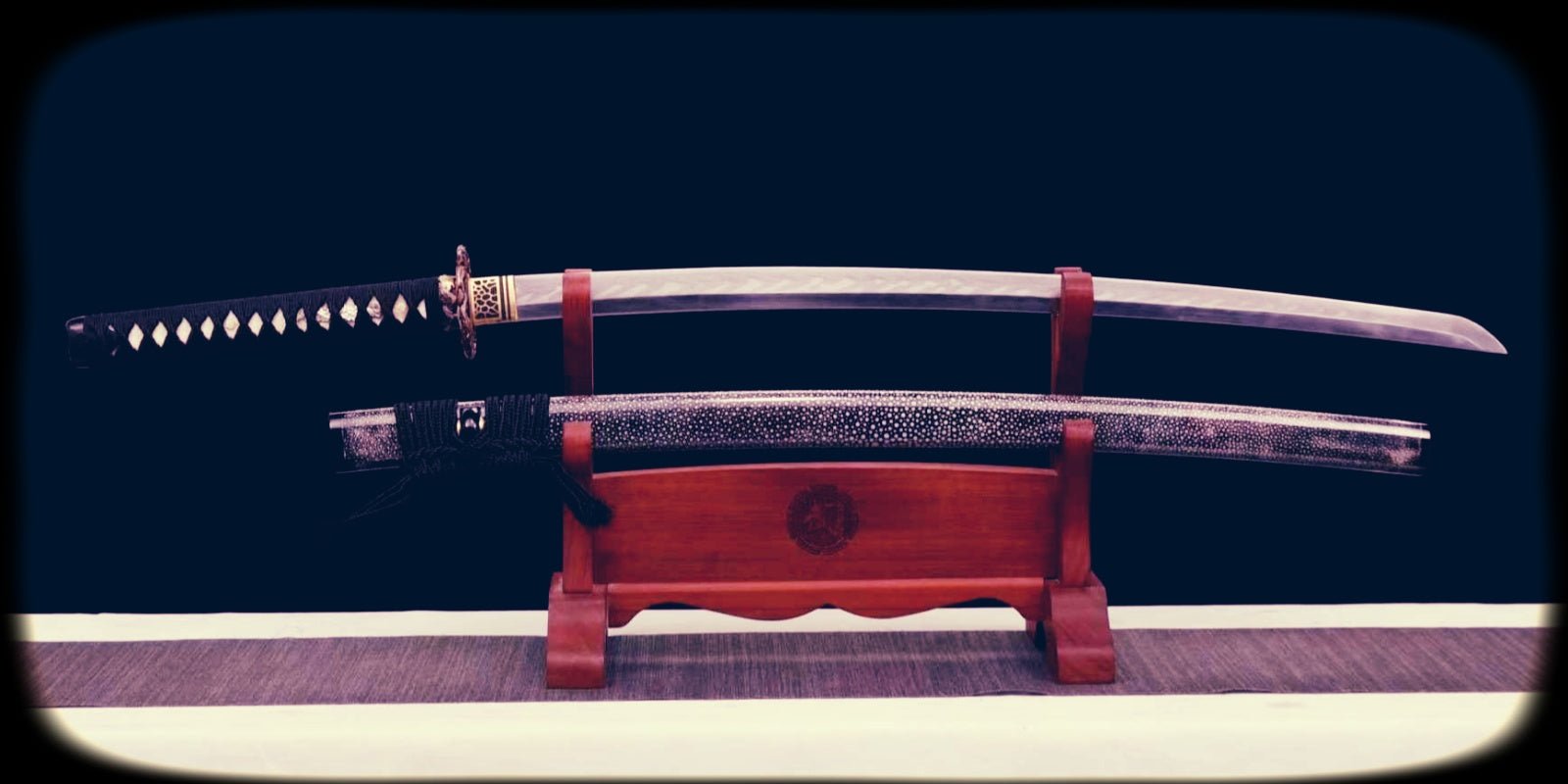
Nakago: The Katana’s Hidden Core — Structure, Rust Care, and Collector Insights
While the blade of a katana often takes center stage, the nakago—the tang hidden within the handle—is the sword’s true foundation. Far more than just a structural component, the nakago carries the maker’s signature, reflects the sword’s authenticity, and plays a key role in its long-term preservation. For collectors, understanding how to properly maintain a rusted nakago is essential to protecting both the sword’s functionality and historical value.
1. Patina vs. Red Rust: Know the Difference
An authentic Japanese sword tang is expected to develop a dark brown or black patina over time—a stable oxidation layer that not only protects the steel but also serves as evidence of age and authenticity. This patina should never be removed, especially if the tang features a signature (mei), as doing so can significantly reduce the sword’s value.
In contrast, red rust indicates active corrosion. Left untreated, it can eat into the steel, obscure or destroy the mei, and compromise the structural integrity of the tang. It may also interfere with fitting components like the habaki or even prevent the sword from being disassembled properly.
Rule of thumb: Preserve the patina, remove only the red rust.
2. Should You Clean It Yourself or Leave It to a Pro?
If the sword is valuable, signed, or historically significant, don’t risk cleaning the nakago yourself. Even small mistakes—such as polishing too aggressively or using the wrong materials—can permanently damage the patina, the mei, and the surface finish.
In these cases, your best option is to consult a professional sword polisher (togishi) or a trained restorer. Their methods are precise and designed to remove active rust without harming the underlying steel or patina.
However, if the rust is light and the sword is a less valuable reproduction, experienced owners may opt to perform gentle surface cleaning, using safe and traditional techniques.
3. Safe Methods for Removing Light Red Rust
If you’re confident the red rust is only surface-level, here are some safe, non-invasive methods collectors use:
-
Oil Soak Method
Apply a thin layer of choji oil (clove oil) or a neutral mineral/gun oil to the affected area. Let it sit for several hours or days. Then gently wipe with a soft cloth to lift away softened rust particles. Repeat as needed. -
Deer Antler or Bone Scraping
Use a small piece of deer antler or polished bone to gently scrape away softened red rust. These natural tools are softer than steel, making them ideal for rust removal without damaging the metal or engraving. -
Soft-Bristled Brush
An old toothbrush dipped in oil can be used to gently clean around the mei and tight areas. Work slowly and always brush in the direction of the engraving.
⚠️ Never use sandpaper, steel wool, or commercial rust removers. These abrasive or acidic products can strip the patina, flatten the mei, and cause irreversible damage to the tang and its historical features.
4. Best Practices: Protecting the Mei and Preserving the Patina
-
Work slowly and in small sections.
-
Avoid touching the mei with hard tools—use brushes or soft wood picks instead.
-
Only remove flaking, red rust. Leave stable, dark oxidation alone.
-
If the tang has decorative inlays or lacquer over the signature, take extra care not to dissolve or disturb them.
Remember: your goal is preservation, not restoration. The aged appearance of the nakago is not a flaw—it’s a sign of authenticity.
5. Post-Cleaning Care: Preventing New Rust
After removing red rust:
-
Optional light oiling: Apply a near-invisible layer of choji or mineral oil to the cleaned area—only if necessary. Wipe away excess to prevent buildup.
-
Let patina reform naturally: Store the sword in a well-ventilated, dry environment. Over time, the cleaned area will develop a new dark patina, blending with the rest of the tang.
-
Inspect regularly: Every few months, check for new rust spots. Address them early using the same gentle techniques.
Avoid wrapping the tang in plastic or storing it in humid conditions. Ideally, use a breathable wood scabbard (shirasaya) and add desiccants to maintain low humidity.
6. Why the Nakago Matters to Collectors
The nakago holds more than the blade—it holds the story of the sword. Its patina, file marks (yasurime), and peg hole (mekugi-ana) provide vital clues about the swordsmith, era, and region of manufacture. Any damage to these elements—especially from improper cleaning—can erase history.
In Japanese sword collecting, a brightly polished tang is a red flag. It suggests amateur intervention and reduced value. A natural, aged nakago—complete with stable patina and legible mei—is far more desirable and valuable to discerning collectors.
Conclusion
When it comes to rust on a katana’s nakago:
-
Learn to distinguish harmful red rust from protective patina.
-
Remove active rust carefully using traditional, non-invasive tools.
-
When in doubt, consult a professional—especially if the sword is signed or rare.
-
Allow the nakago to age naturally and avoid over-cleaning.
-
Store it in a dry, well-ventilated space to prevent future rust.
Handled with care and patience, a properly preserved nakago not only maintains the physical strength of the blade but also safeguards the cultural and historical legacy it carries.