


Description
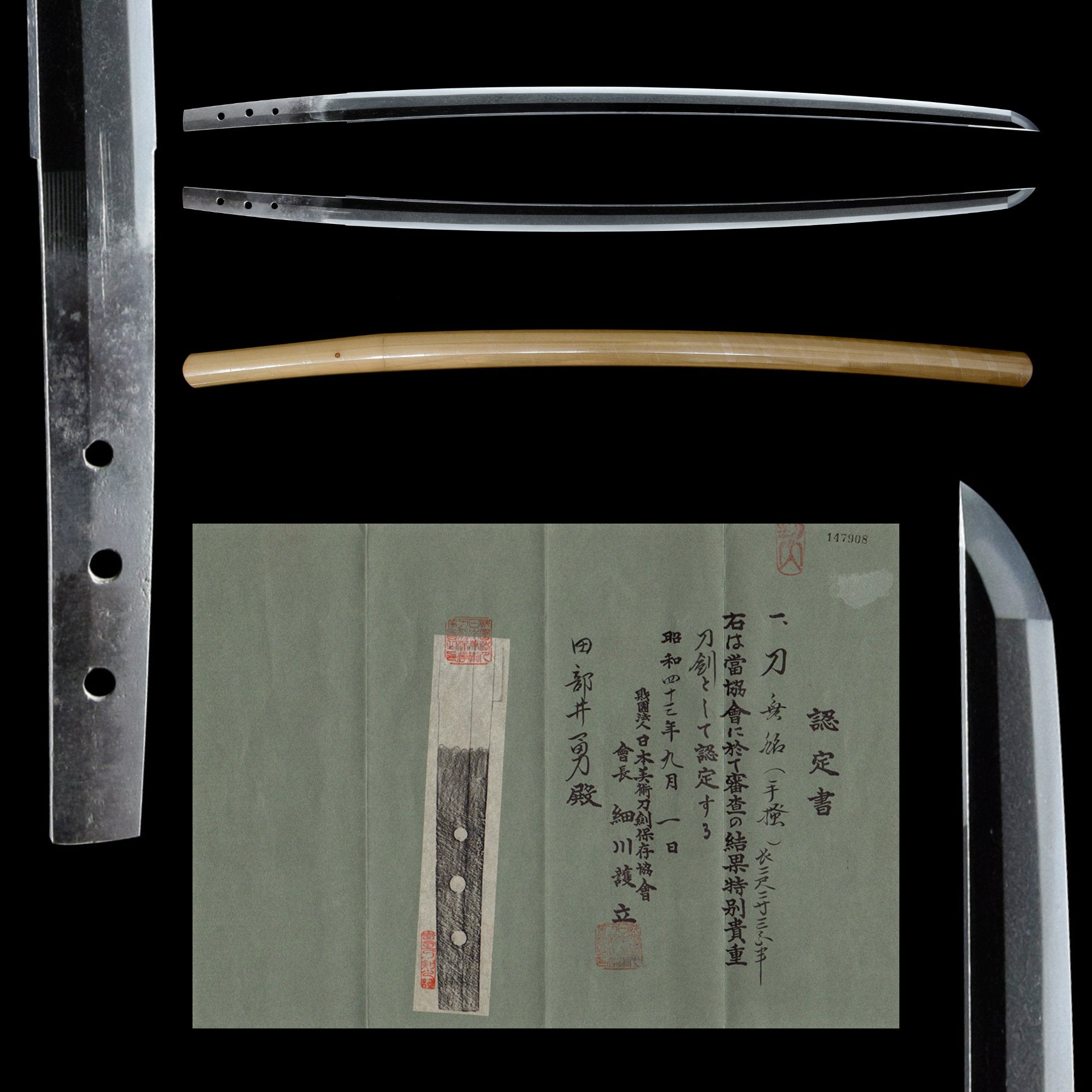
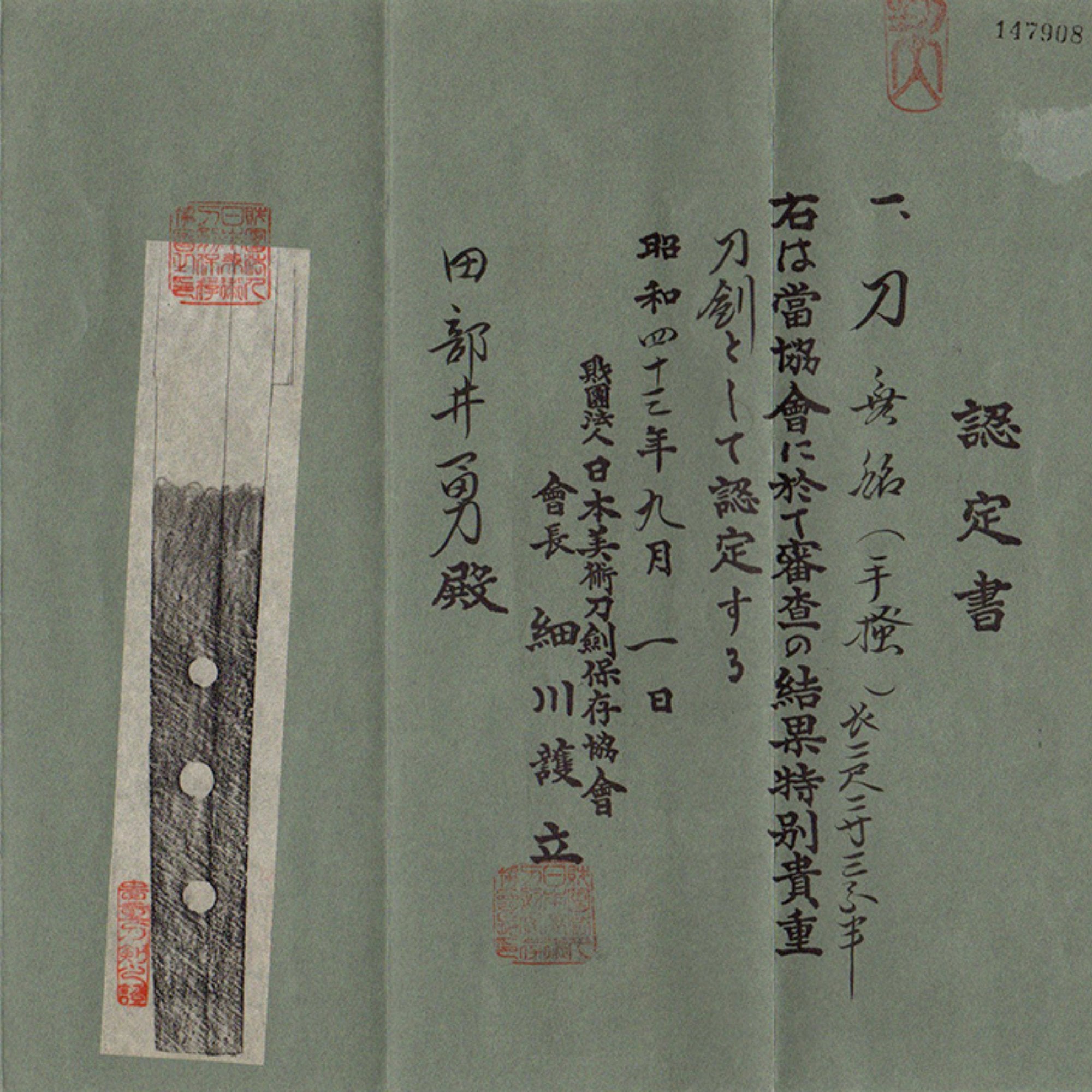
Authentic Nihontō Japanese Sword Katana Attributed to Tegai 手掻 NBTHK TOKUBETSU KICHŌ TŌKEN Certificate
The 手掻派 (Tegai school) was a group of swordsmiths affiliated with 東大寺 (Todaiji). They were called 手掻 (Tegai) because they lived in front of Tengaimon, the west main gate of 東大寺 (Todaiji). Known as the largest and most prosperous of the five Yamato schools, they were also recognized for their stable and consistent skills. The place names 手貝町 (Tegaicho) and 包永町 (Kanenagamachi) are remnants of their presence.
The founder of the 手掻派 (Tegai school) was 包永 (Kanenaga), who lived around the 正応 (Shōō) era (1288) in the mid-Kamakura period. Well-known works include the famous 'Kodakarakashiwa' (lost in the Great Kanto Earthquake of 1923) and the national treasure in the Iwasaki family collection, along with six important cultural properties. These designated items were shortened and have a two-character signature remaining on the tang's end.
Notable swordsmiths of the 手掻派 (Tegai school) include 包吉 (Kaneyoshi), 包清 (Kanekiyo), 包友 (Kanetomo), and 包利 (Kanechika). It is said that 兼氏 (Kanesada), one of the ten disciples of 正宗 (Masamune), also belonged to the 手掻派 (Tegai school). The school continued through the Nanbokucho period and into the Muromachi period. Swords made up to the Nanbokucho period are called '手掻 (Tegai),' while those made from the Oei period onwards are called '末手掻 (Sue-Tegai).' The characteristic feature of this school is the strong nie and the clear jigane.
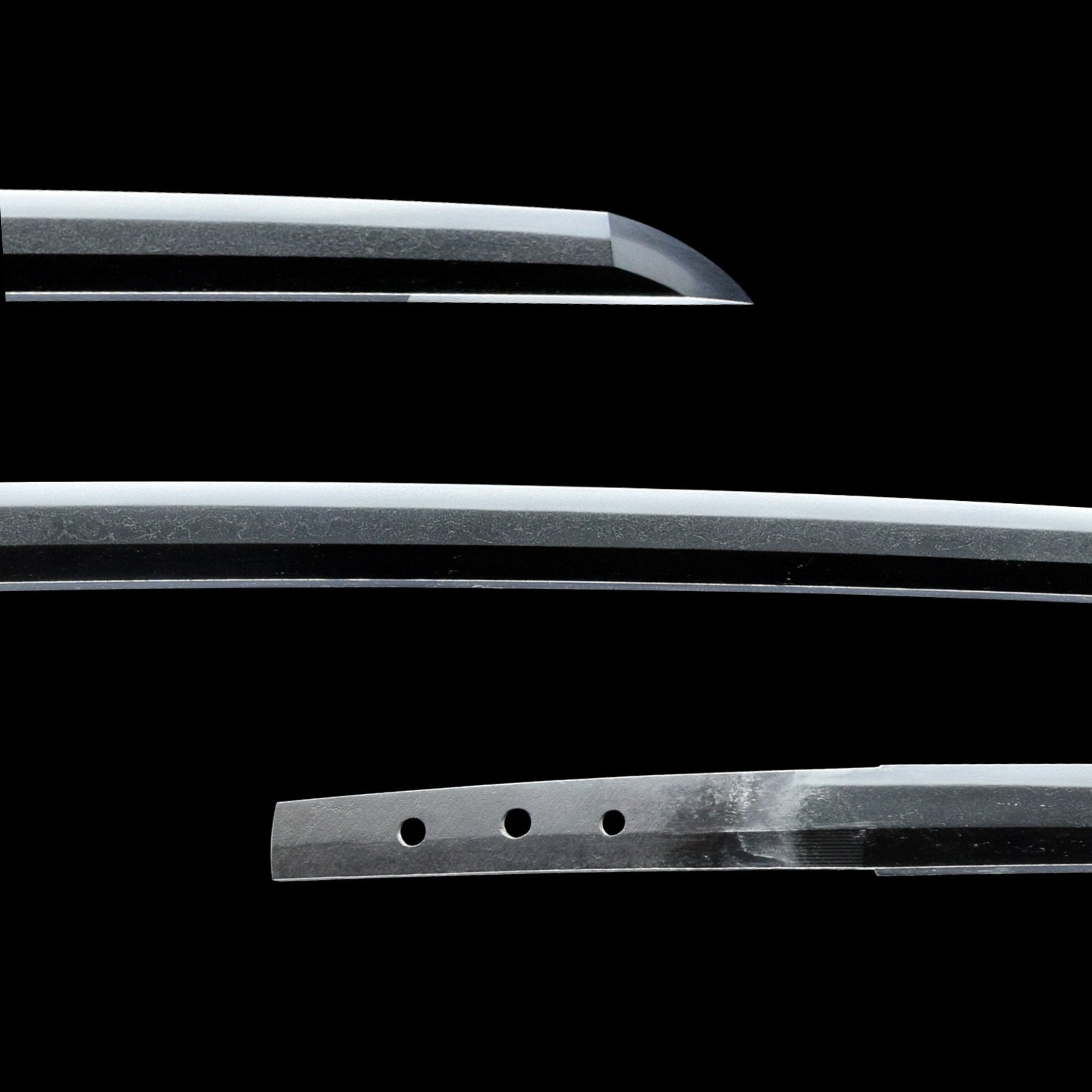
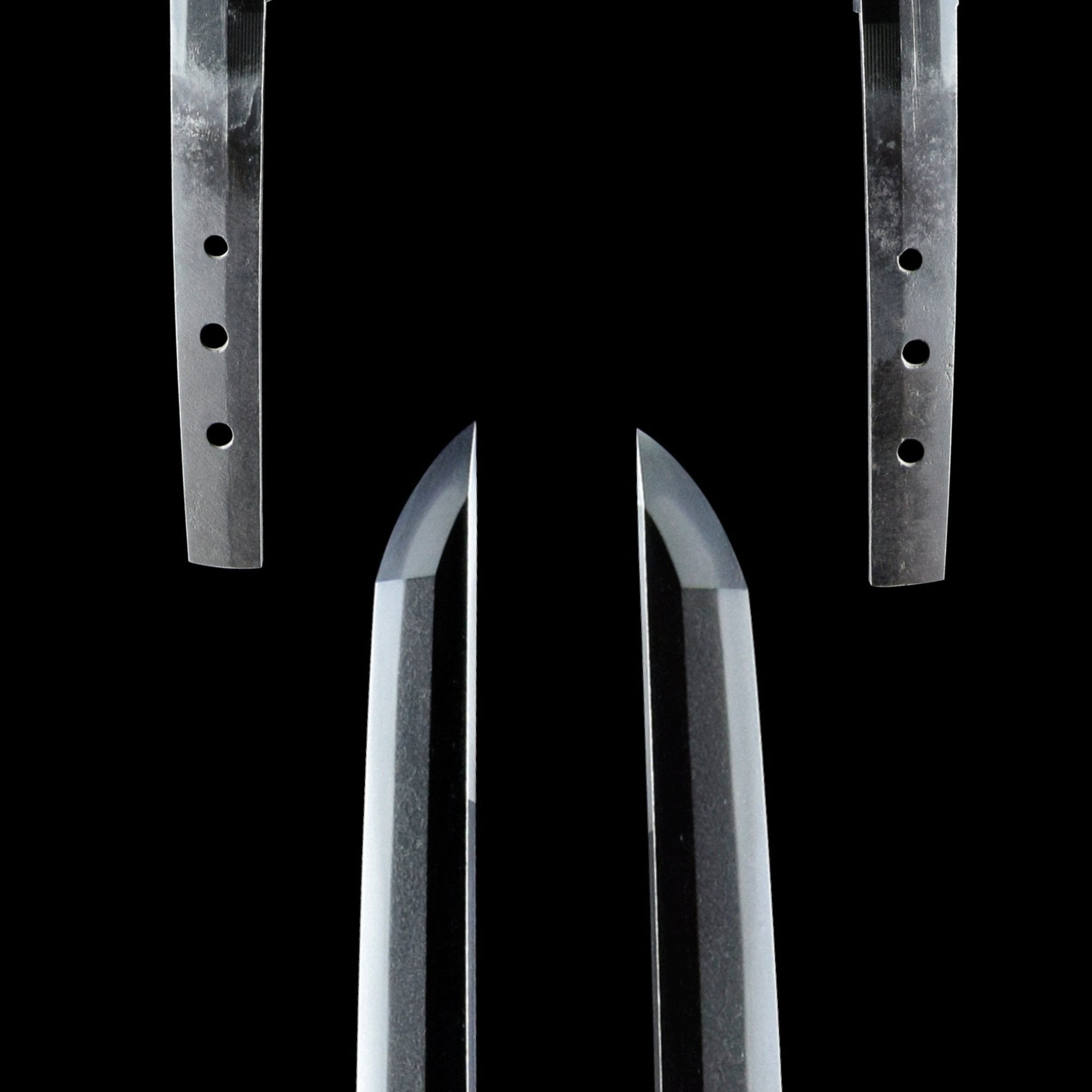
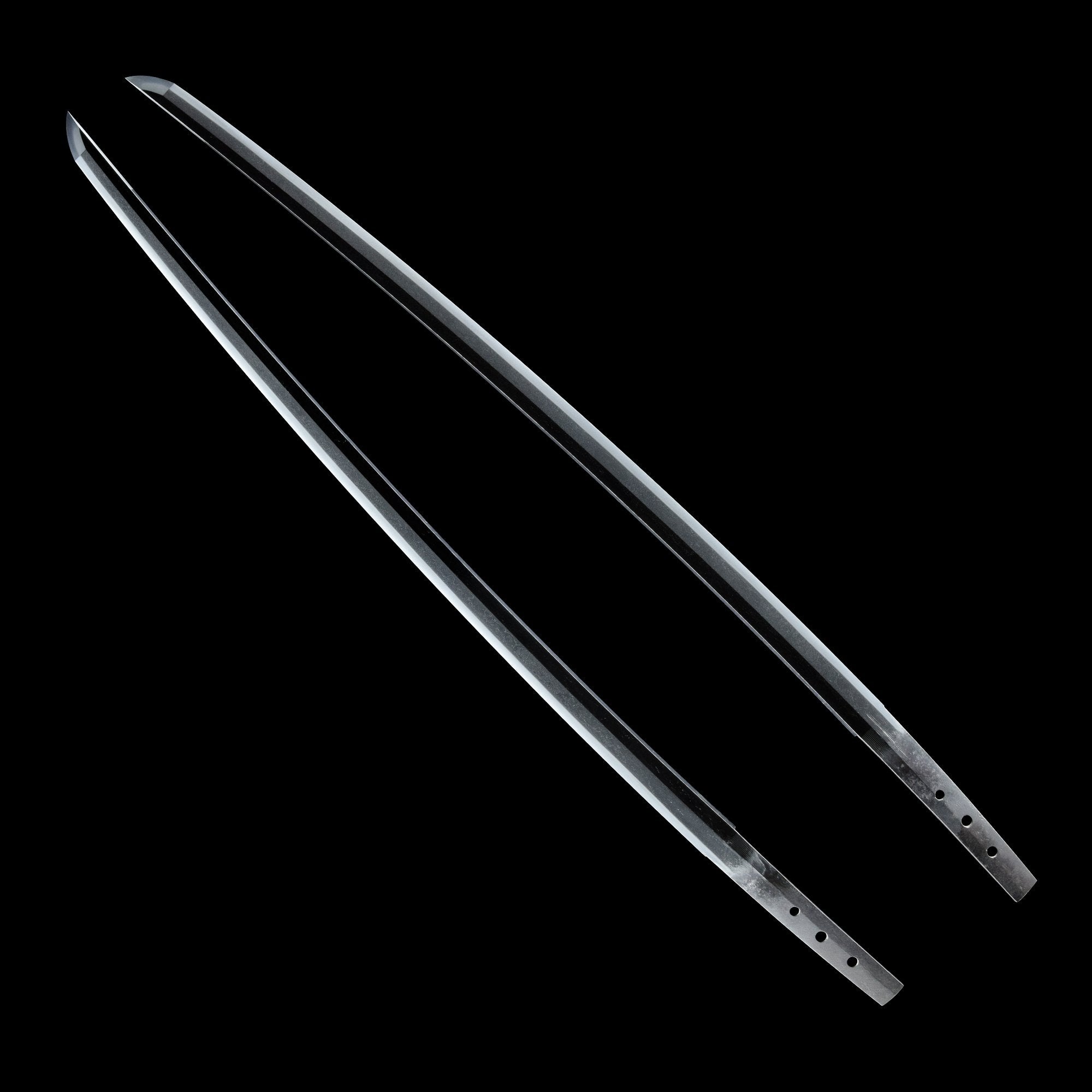
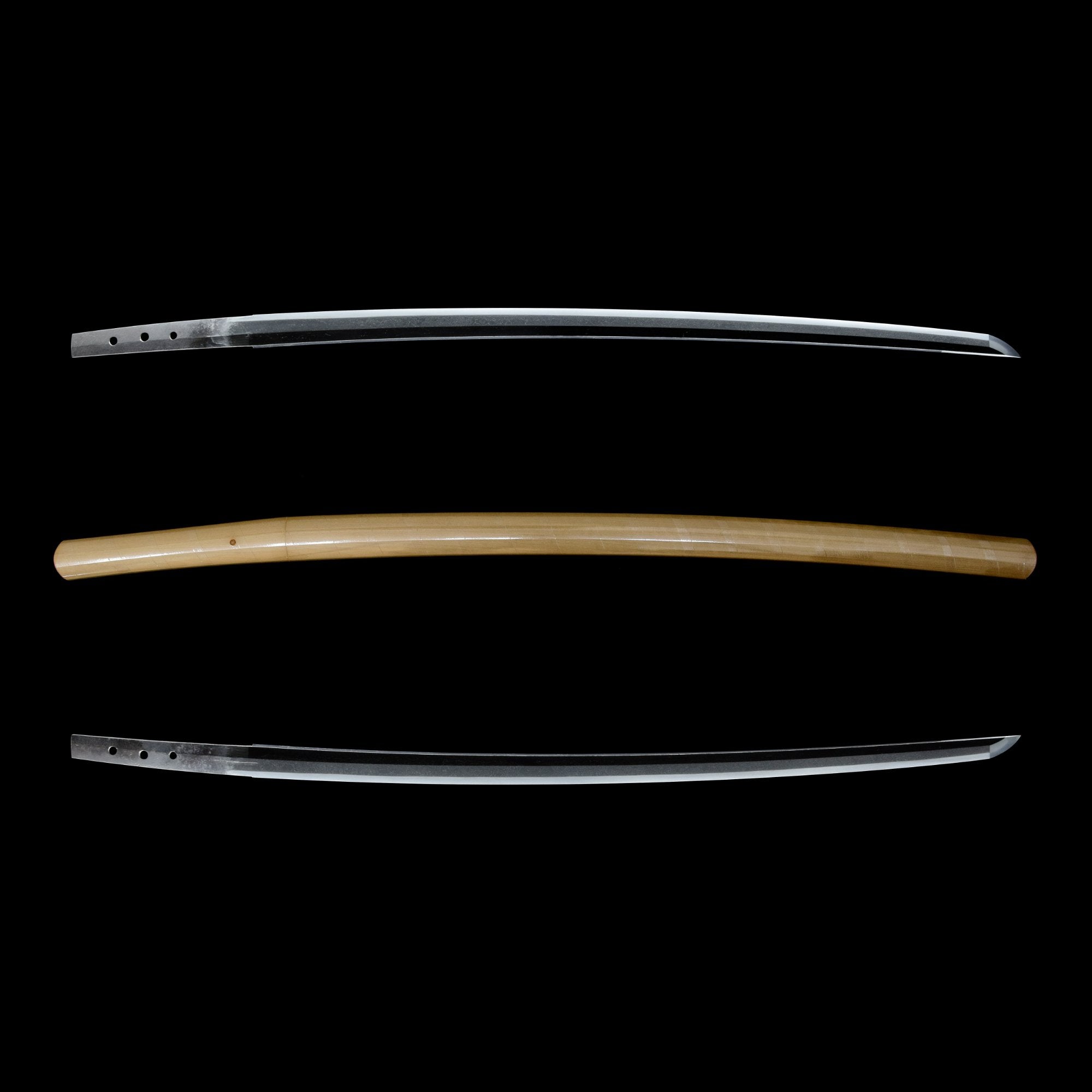
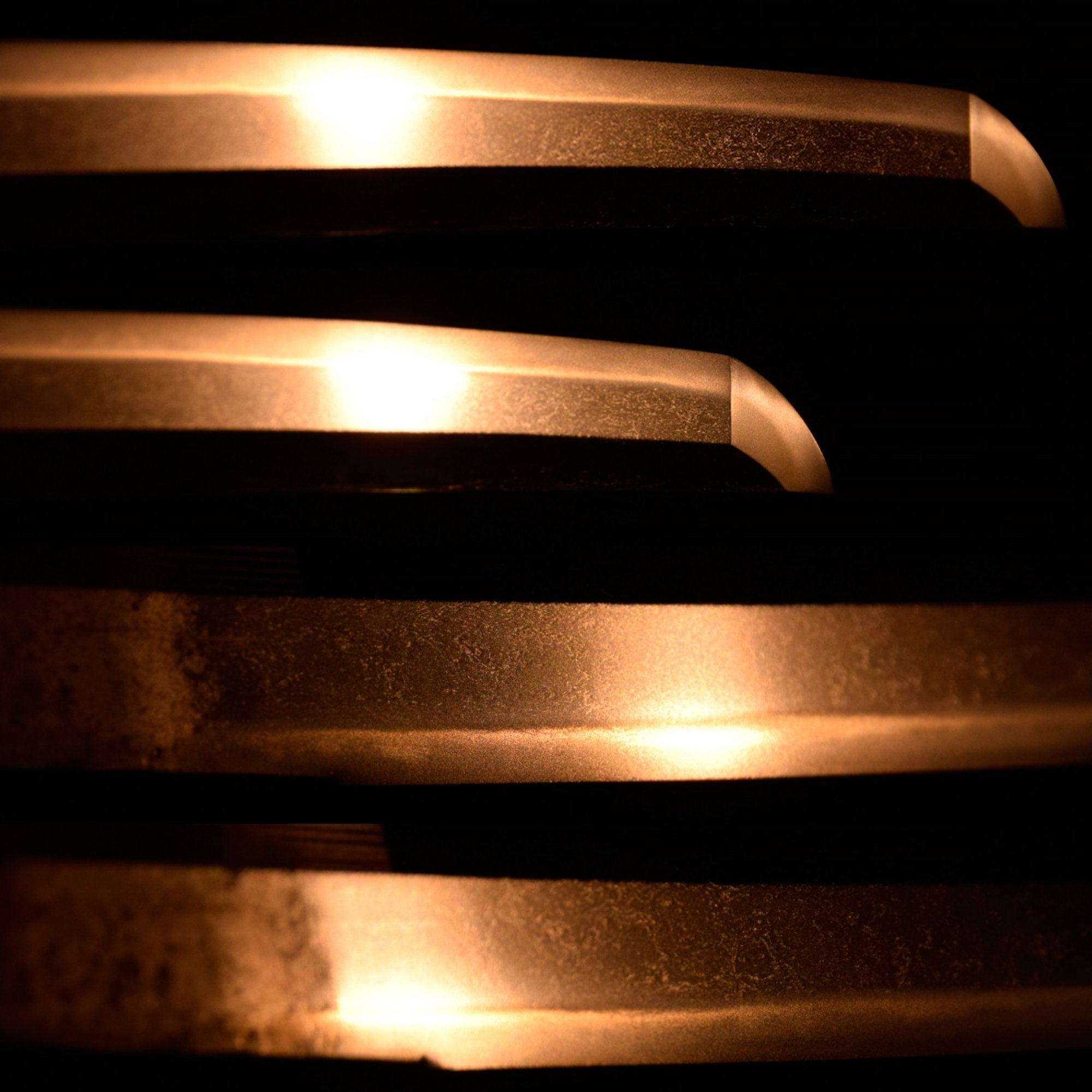
This sword, though shortened, retains an elegant shape with a notable difference between the base and tip. The steel shows a mix of small itame and mokume with well-forged and tight ji-nie, creating a prominent hada. The hamon is a suguha style with small ashi and kinsuji, and the boshi is straight with a rounded return on both sides.
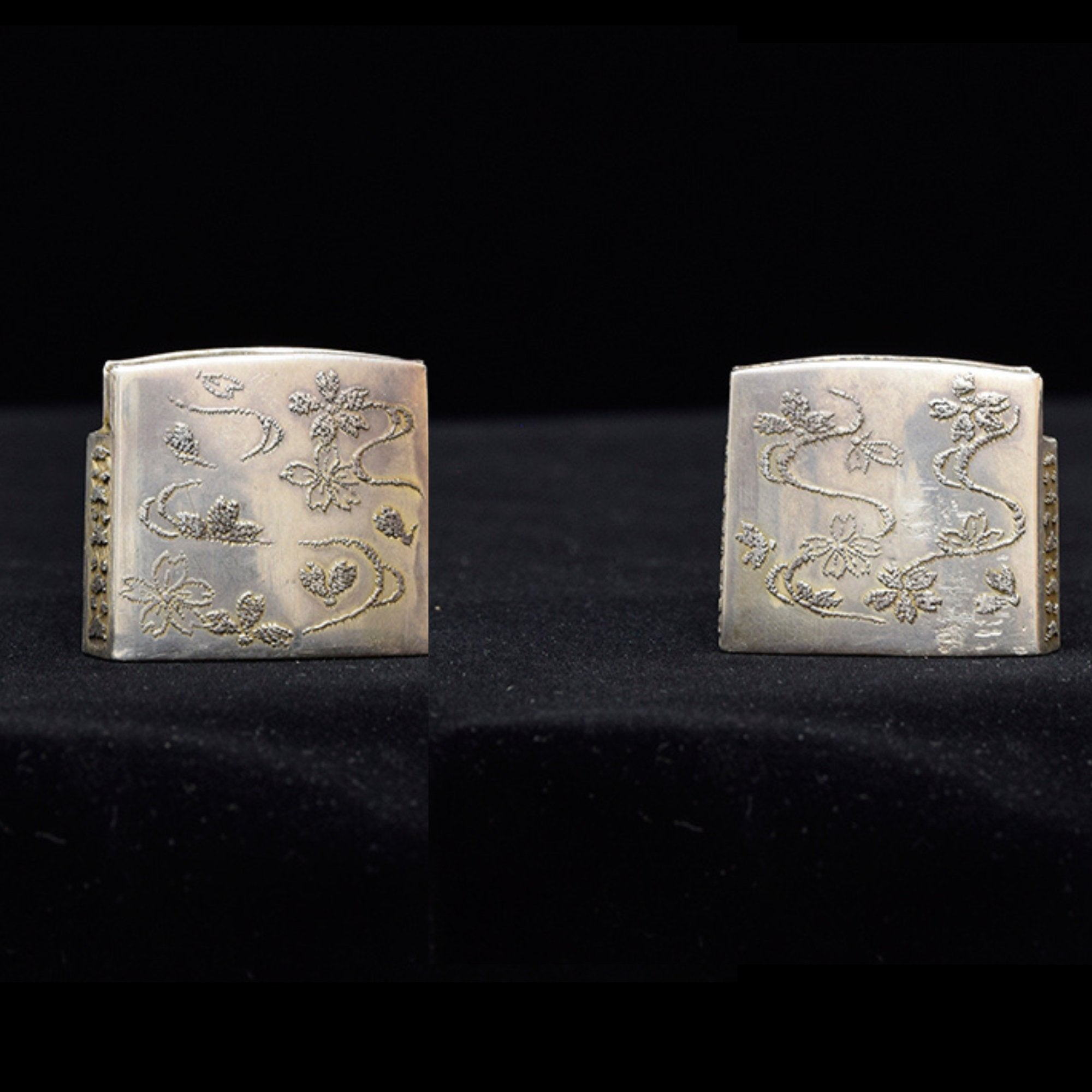
Our shop has performed the highest level of polishing and white scabbard craftsmanship on this sword. You can fully enjoy the refined ji and ha that have just been polished. Although it has been shortened, the notable difference between the base and tip and the slightly lower return of the boshi could change the current preservation sword appraisal. There are no notable forging flaws, making it an excellent piece for art appreciation. The attached silver habaki also indicates the excellent provenance of this sword.
Bare weight: 692 grams.
Nihontō Information
| Name 名称 | 無銘(手掻) - Mumei(Tegai) |
| Blade Length 刀長 | 二尺二寸三分五厘弱 / 67.74 cm |
| Sori 反り | 三分八厘弱 / 1.16 cm |
| Blade Width 元幅 | 29.4 mm |
| Blade Thickness 元重 | 7.3 mm |
| Tip Width 先幅 | 物打23.1 mm 横手位置19.2 mm |
| Tip Thickness 先重 | 物打5.4 mm 松葉位置4.6 mm |
| Mekugi-ana 目釘穴 | 3個 |
| Age 時代 | 鎌倉後期 - The latter period of Kamakura era - 14th century |
| Certificate 鑑定書 | 特別貴重刀剣認定書(NBTHK TOKUBETSU KICHŌ TŌKEN Certificate) |
| Registration 登録 | 平成24年9月18日 (September 18, 2012) 東京都登録 (Tokyo Metropolis Registration) |
| Included 附属 | 素銅地銀着桜文様はばき (Copper-based habaki with silver cherry blossom design) |
| 白鞘 (Shirasaya Case) | |


Shopping with Us (Read Before Purchase)
Estimate shipping